Our Specialization

Welcome to the section dedicated to our activities. We are a veterinary clinic specializing in animal reproduction and preventive medicine, with an innovative and personalized approach. We offer comprehensive support, from mating management to disease prevention, to ensure the well-being of animals at every stage of their lives.

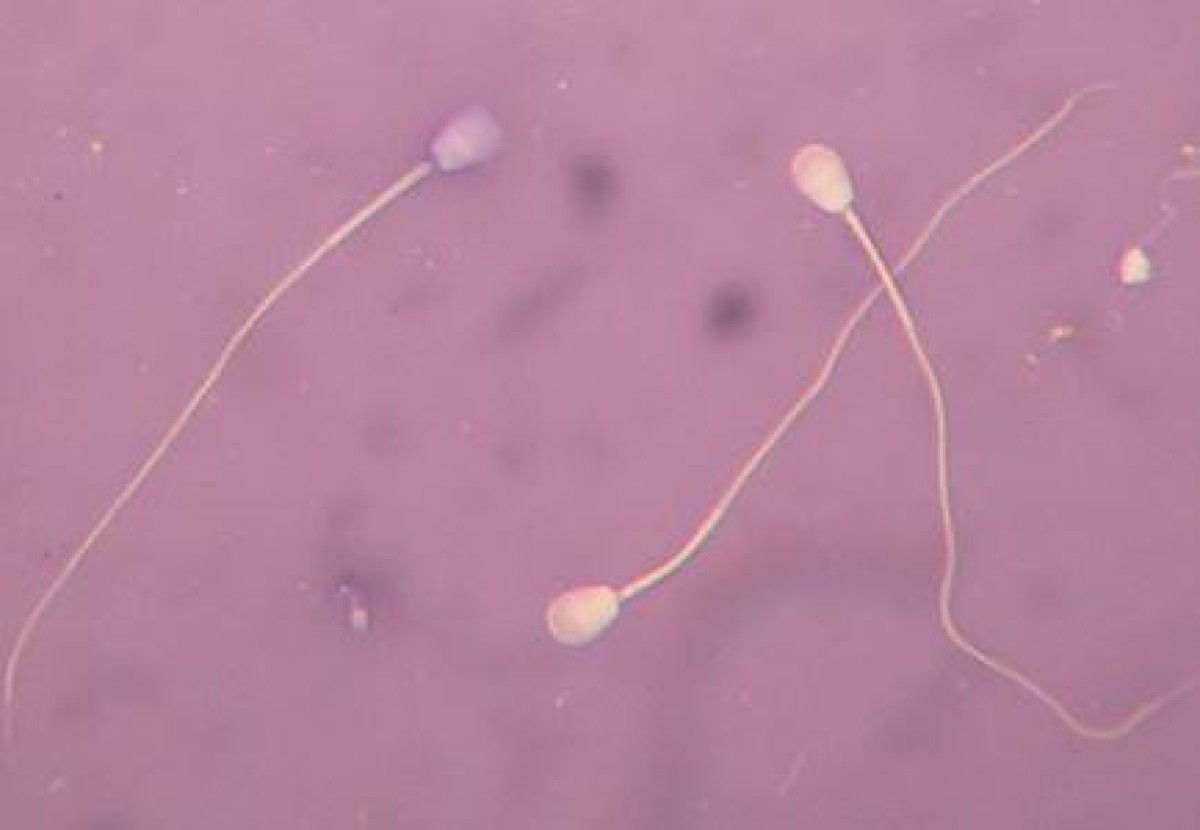
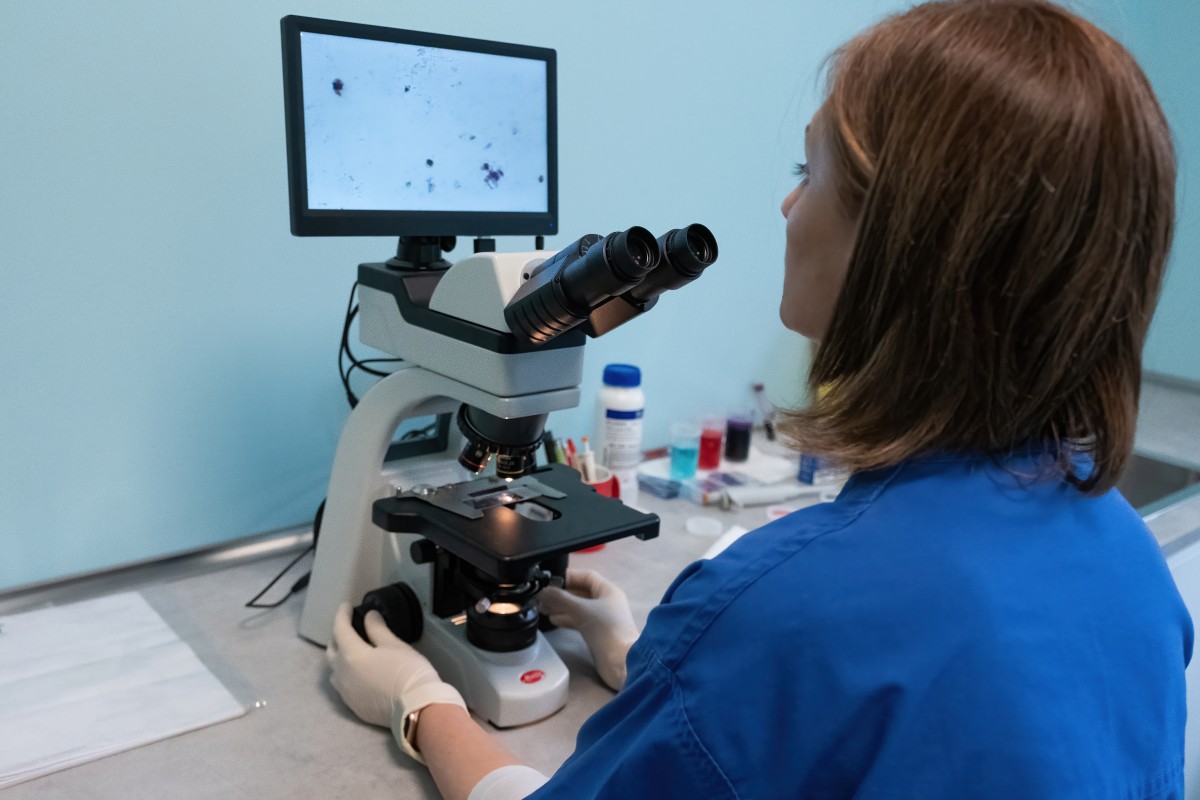
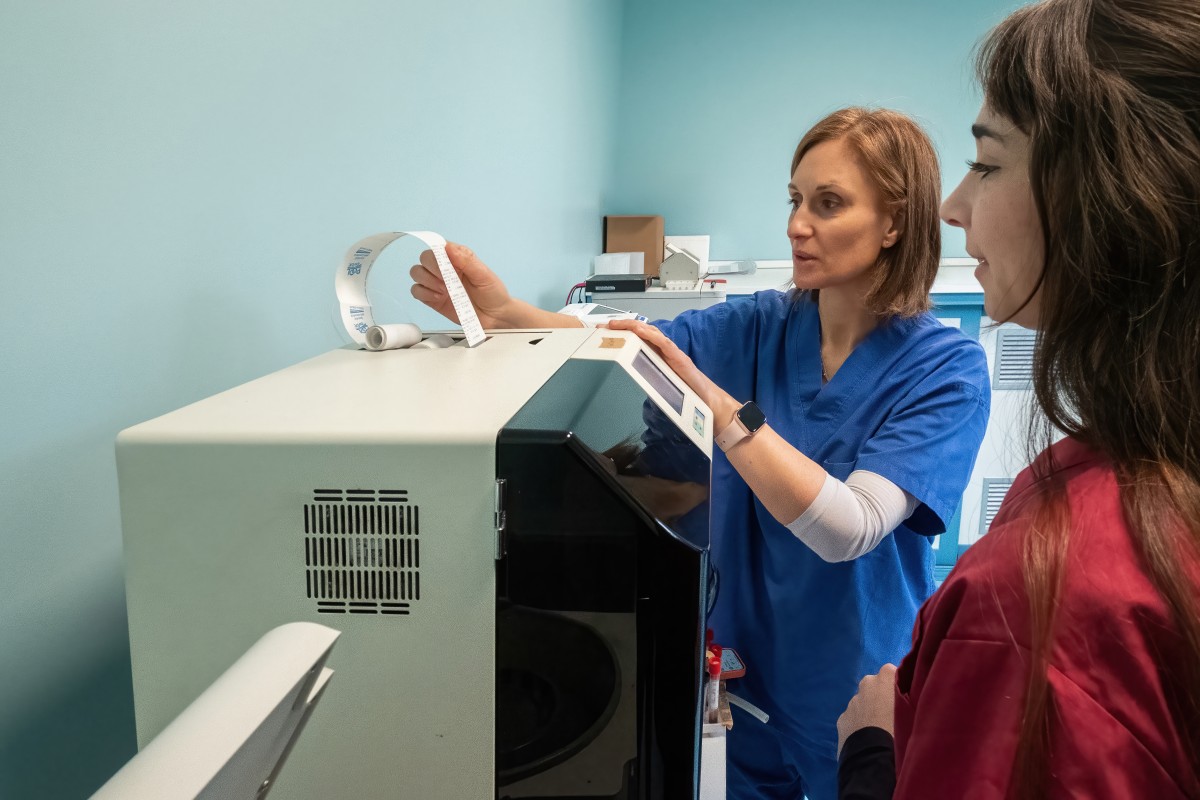
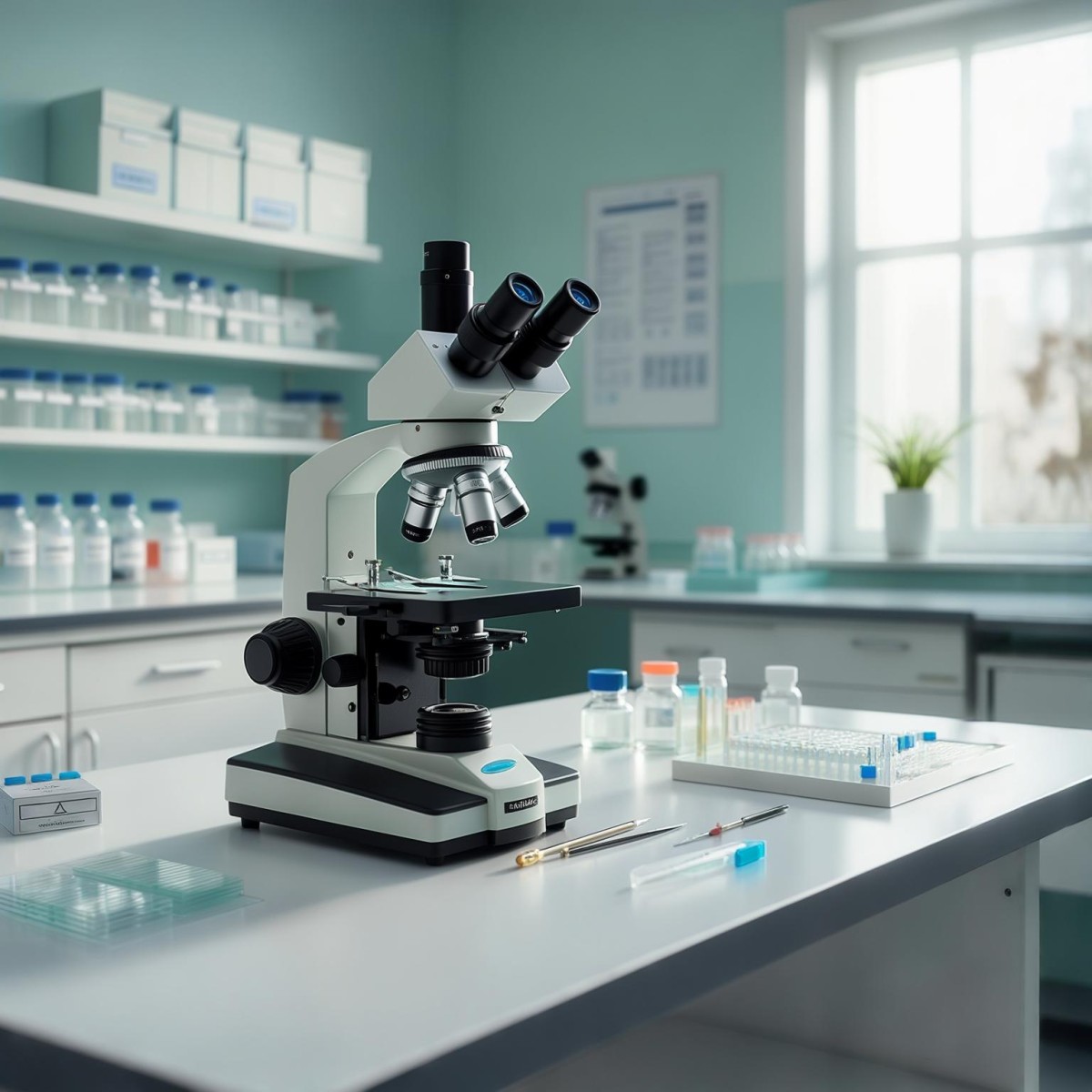
The reproductive health of dogs is a key aspect in ensuring successful breeding and the birth of healthy puppies. At our veterinary clinic, we offer a specialized semen examination service, an essential diagnostic tool for assessing male fertility and planning targeted reproductive programs. The examination is performed with sophisticated instruments, which allow for accurate and repeatable results. 
Semen examination is recommended before mounting, especially if it is the first time the stallion has been used for breeding or if there has been a period of inactivity, and before semen storage, to assess that the sample is suitable for the procedure.

 

The reproductive health of the male dog is a key aspect of ensuring the animal's well-being and success in reproductive programs. At our veterinary clinic, we offer a specialized andrologic examination service designed to assess and monitor the status of the reproductive system. The visit consists of clinical evaluation and if necessary ultrasound examination and evaluation of prostate markers. Andrological examination is also indicated in all elderly individuals to ensure their health.

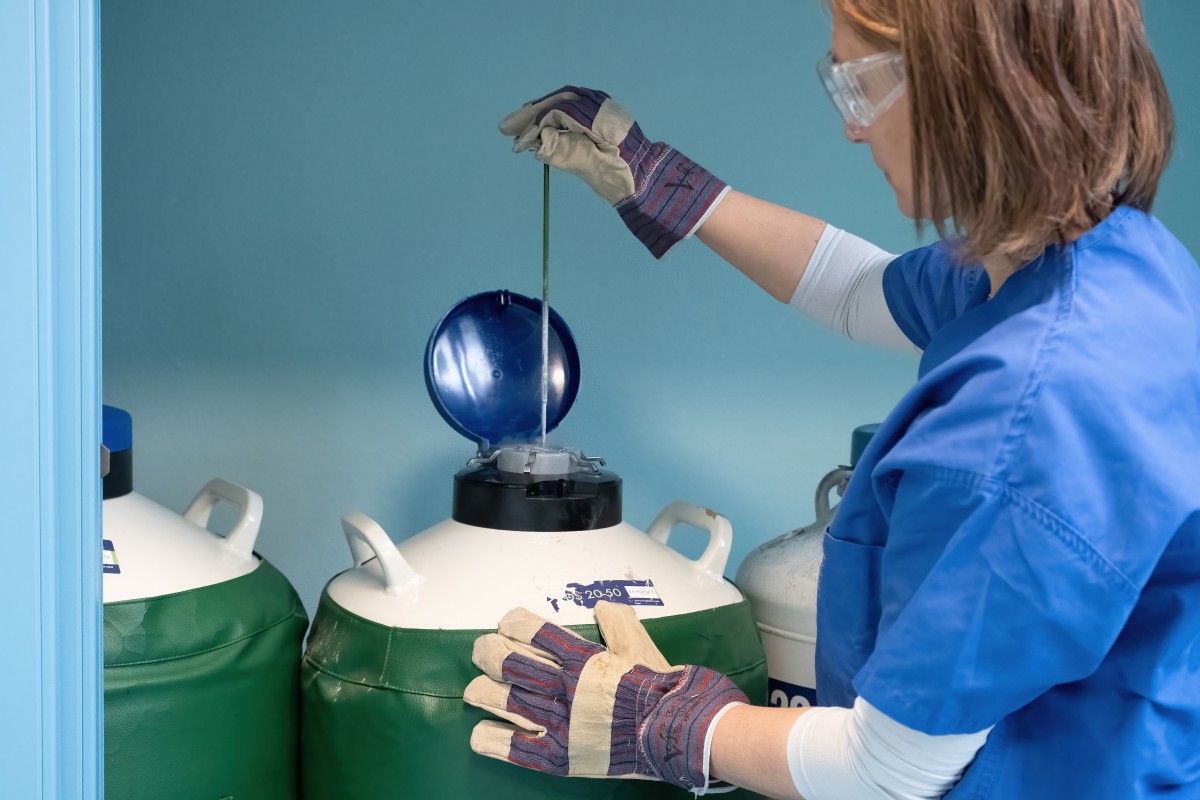
Canine semen preservation, through refrigeration and freezing techniques, is a key resource for breeders and owners who wish to ensure reproductive success over time. At our veterinary clinic, we offer a specialized semen refrigeration and freezing service, using advanced technology and safe procedures to preserve your stud's fertility.
Refrigerated and frozen semen can be shipped worldwide, allowing semen material to be used even when male and female are geographically distant. Frozen forwarded semen can be usted even months or years after storage.

If the stud dog has repeatedly failed to breed or if litters have been small, it is good practice to carry out a complete specialist examination to identify the causes of hypofertility or infertility. This consists of a clinical examination, ultrasound scan, complete semen analysis, laboratory tests (blood, urine, hormone tests) and any other necessary investigations.
Surgery on the male genital tract includes procedures aimed at correcting malformations (persistent frenulum) and pathologies (large prostate cysts, unilateral or bilateral cryptorchidism). Where possible, these surgeries are accompanied by a conservative approach, aimed at maintaining the patient's reproductive capacity.
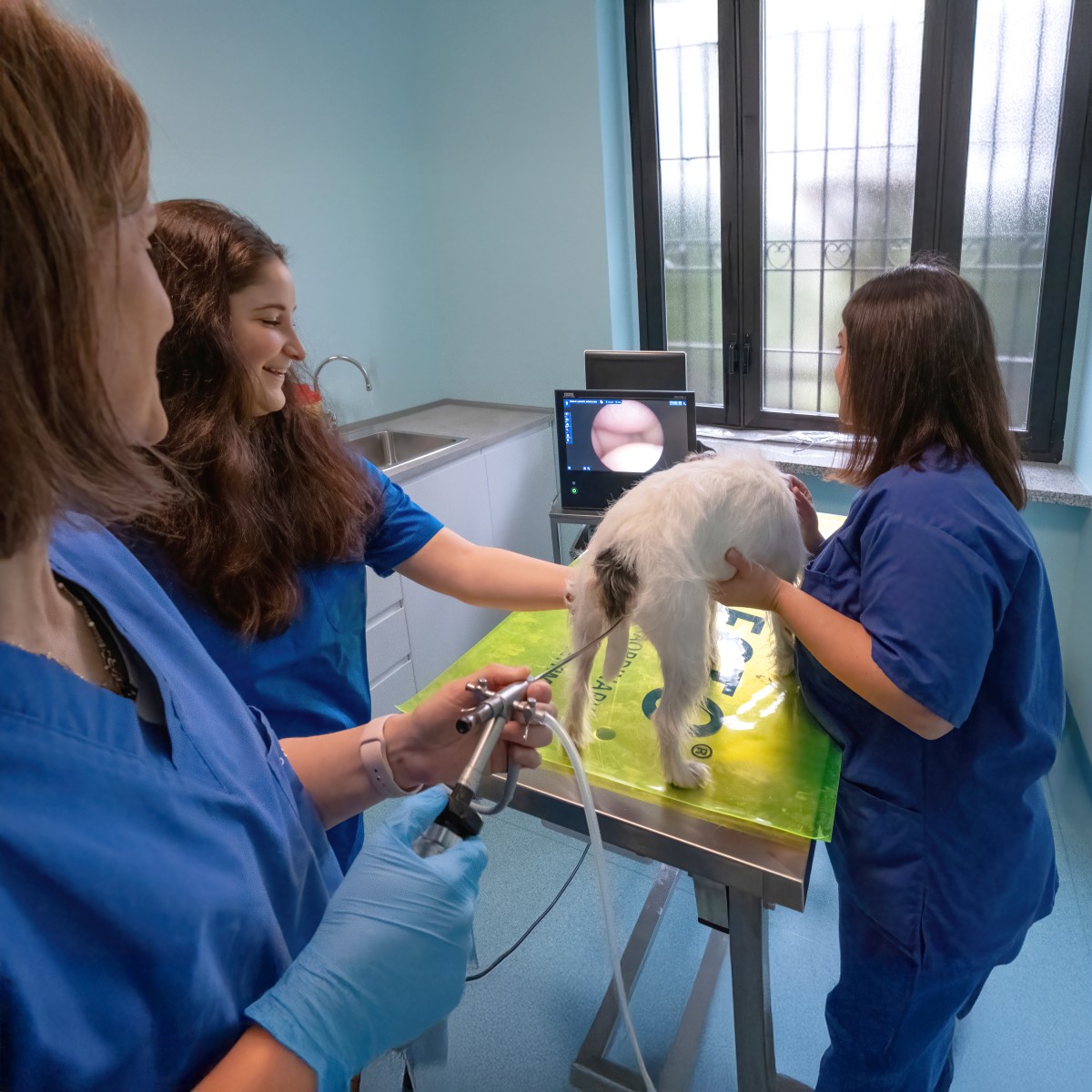
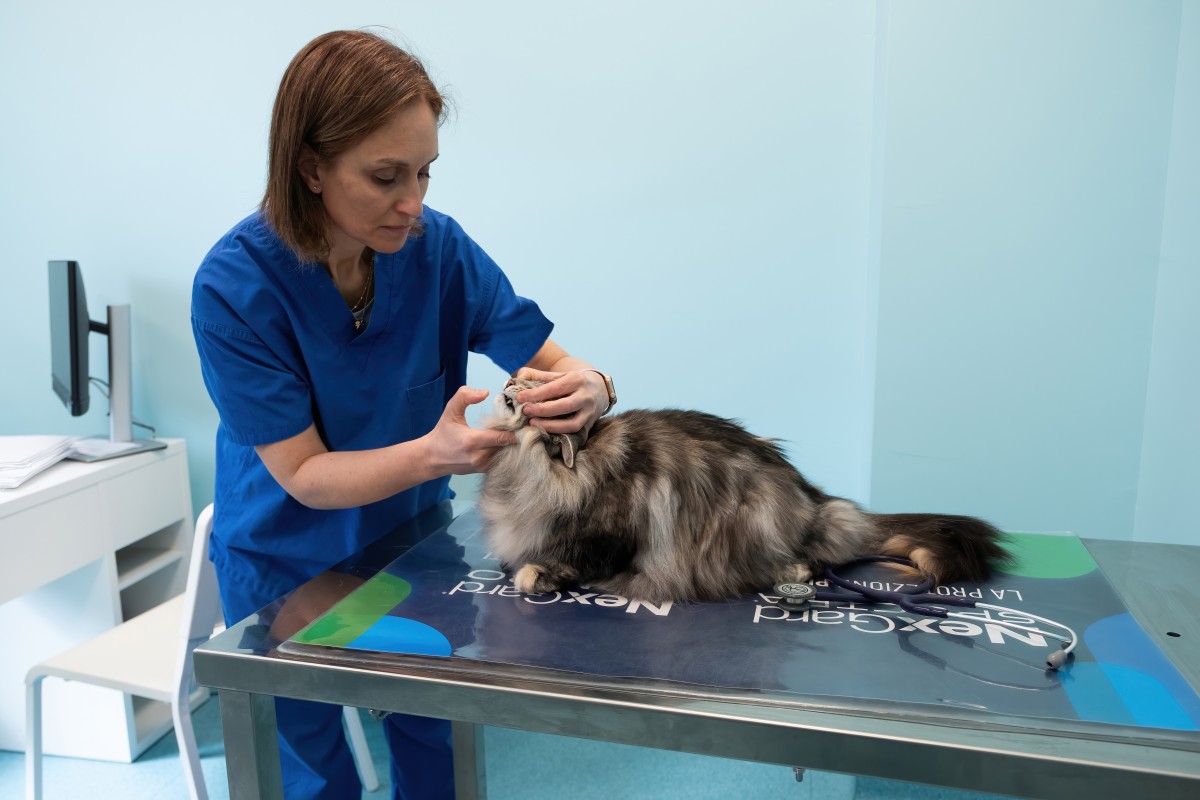
If a gynecological problem is suspected or before the start of the breeding career, it is a good idea to have your bitch or cat undergo a complete gynecological examination. During such an examination, vaginal swabs for evaluation of microbial flora (including Mycoplasma), vaginal inspection and endoscopy to evaluate vaginal and vulvar pathology, and gynecologic ultrasonography for evaluation of the status of the uterus and ovaries will be possible.
To optimize the chances of pregnancy in the bitch, it is essential to identify the day of ovulation and the period of maximum fertility through heat monitoring, which consists of performing vaginal smear and progesterone assay (quantitative, noncolorimetric method). These rapid and safe techniques provide a reliable result within an hour of taking the samples.
Due to breeding programs or the exhibition career of the subjects, in some cases it is necessary to manipulate the estrous cycles of female dogs and cats in order to suspend them temporarily, safely, and reversibly, or to promote them, inducing fertile heat cycles that can be used for mating.
When natural mating is impossible, due to the female's lack of receptivity or the male's lack of interest, or when the male and female live far apart, artificial insemination can be used. If good quality fresh semen is used, deep vaginal insemination can be performed, i.e., the semen is deposited in the vagina near the cervix quickly and painlessly. If, on the other hand, stored semen (refrigerated or frozen) is used, in order to increase the chances of pregnancy and the number of puppies born, it is necessary to perform endoscopic intrauterine insemination, which involves depositing the semen directly into the uterus. This method, which is currently only possible in female dogs, is simple, painless, and generally requires neither anesthesia nor sedation.
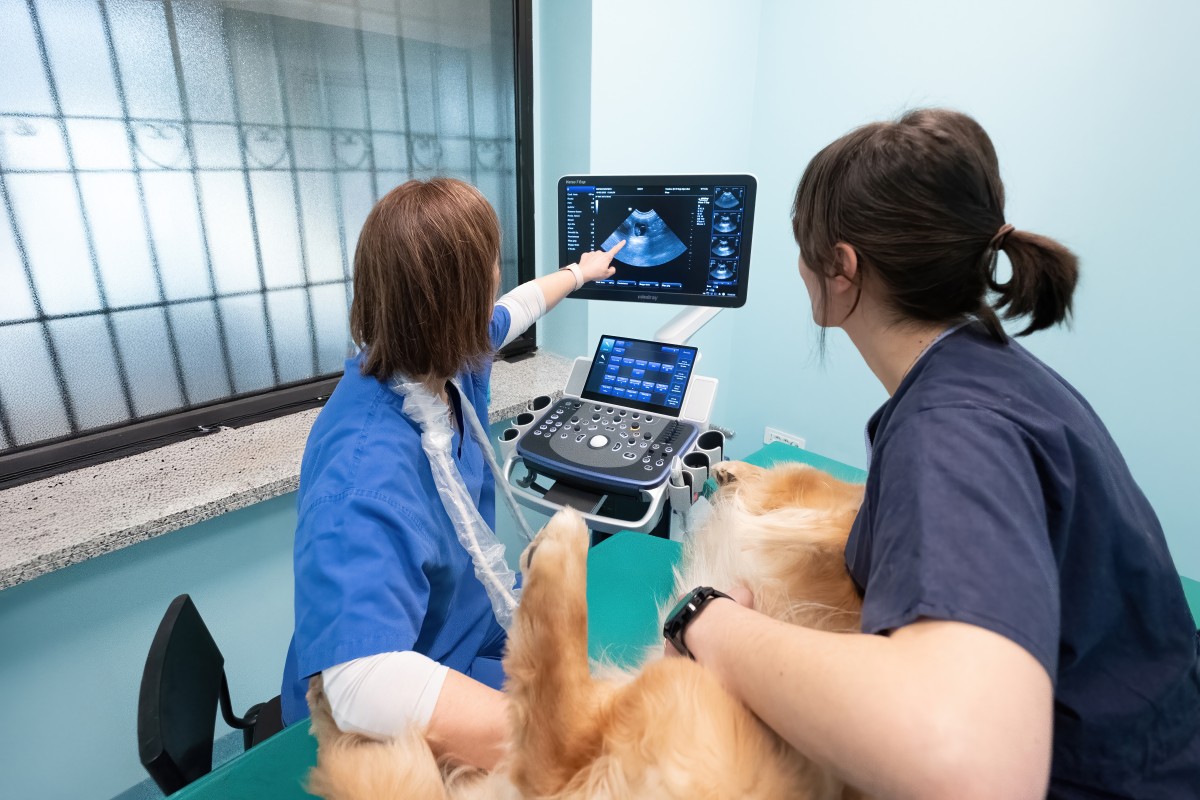
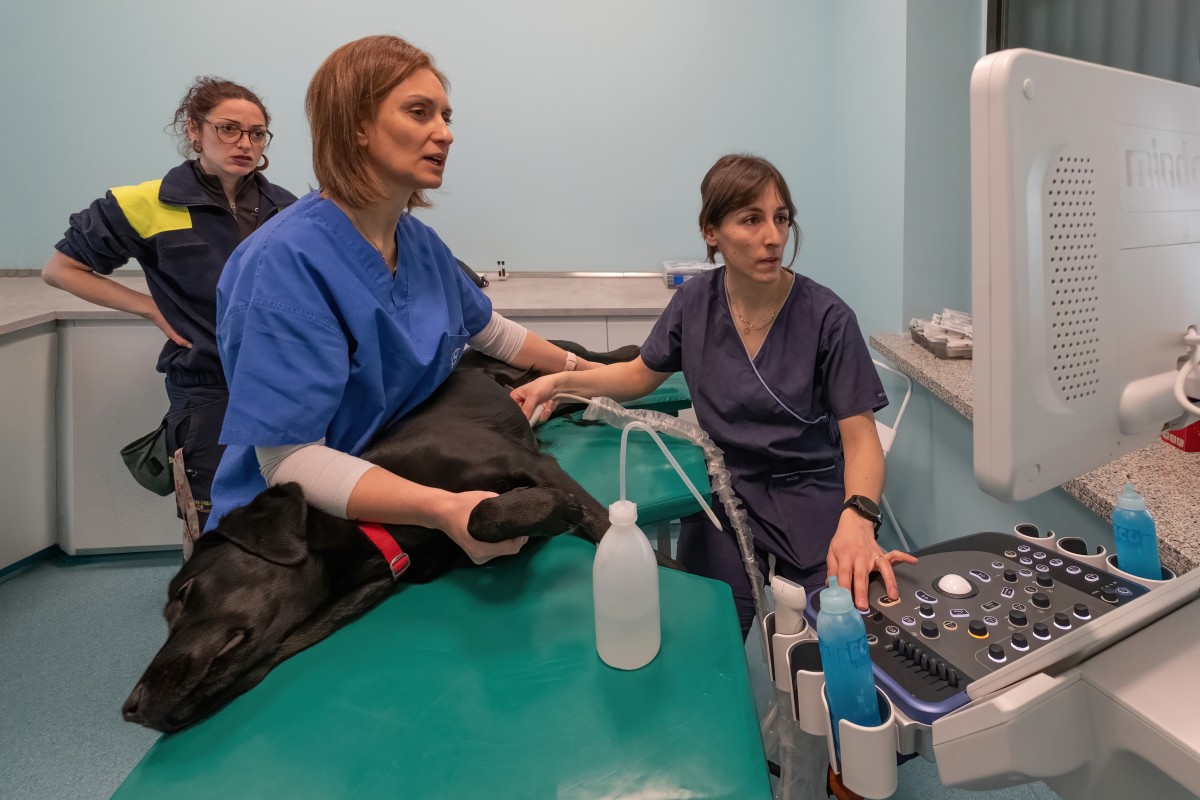
In dogs and cats, ultrasound is the safest and earliest method for diagnosing pregnancy (from the 25th day of gestation in dogs and from the 18th day in cats). In addition, during the examination, specific measurements of the fetuses and gestational structures can be taken to obtain an accurate prediction of the date of birth. This allows for better organization of delivery assistance and, when necessary, planning for a cesarean section. Ultrasound is a safe examination for both the mother and the puppies and can therefore be repeated throughout the pregnancy to monitor the regular growth and vitality of the fetuses.
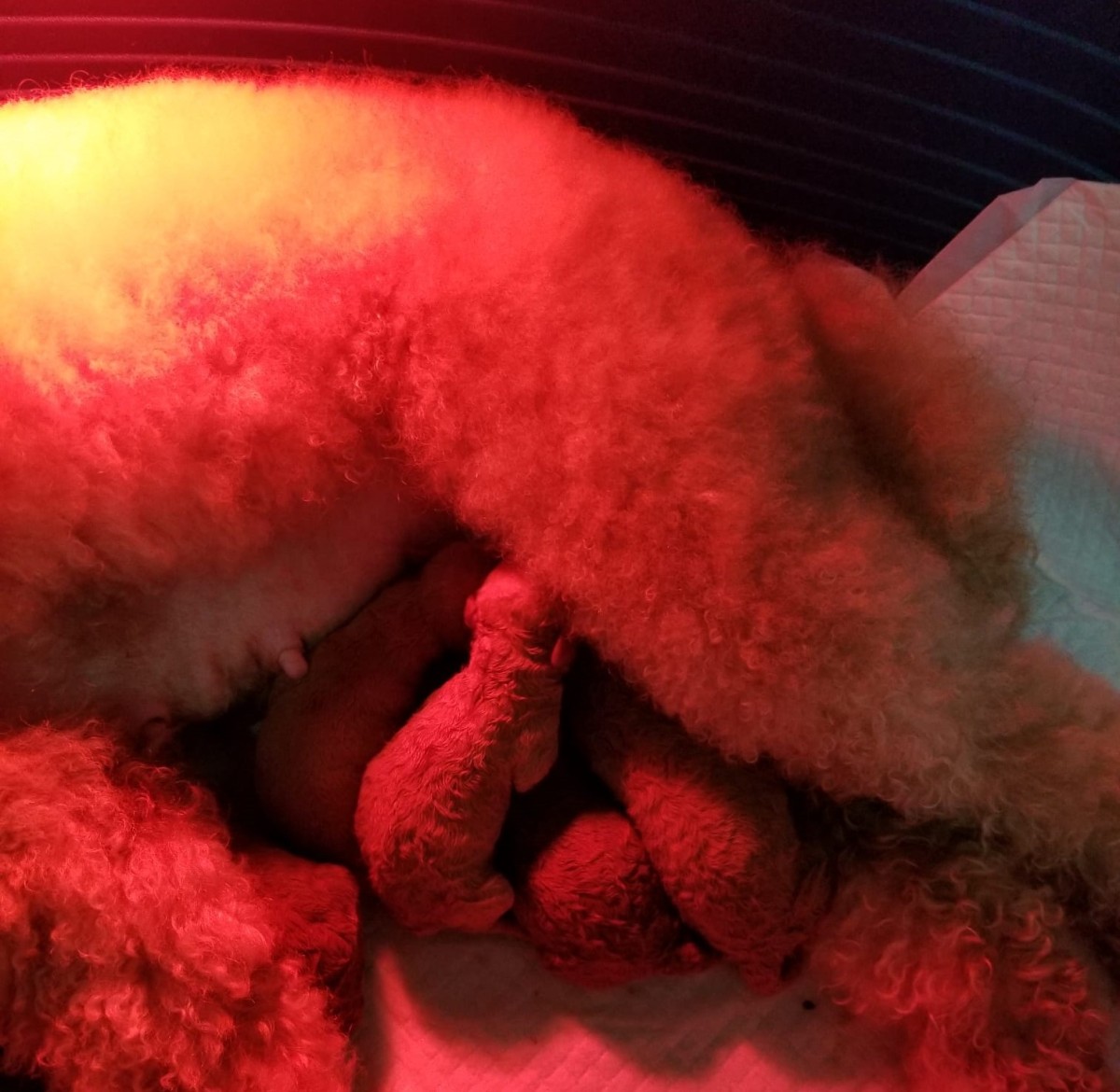
Parturition is a delicate moment, and any alteration to its normal course can compromise the survival of the puppies and, in the most serious cases, of the mother herself. It is therefore essential that the mother receives adequate assistance, both in terms of management and medication, in order to diagnose problems early and intervene in the most appropriate manner.
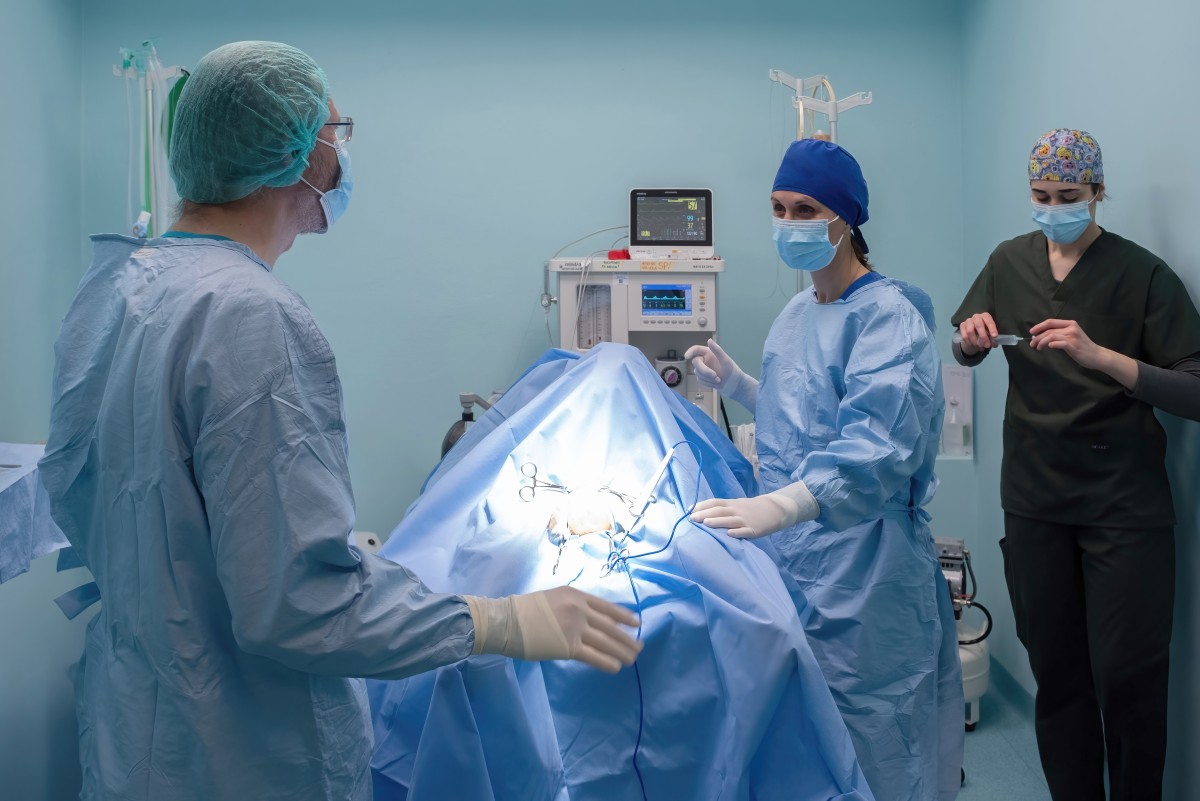
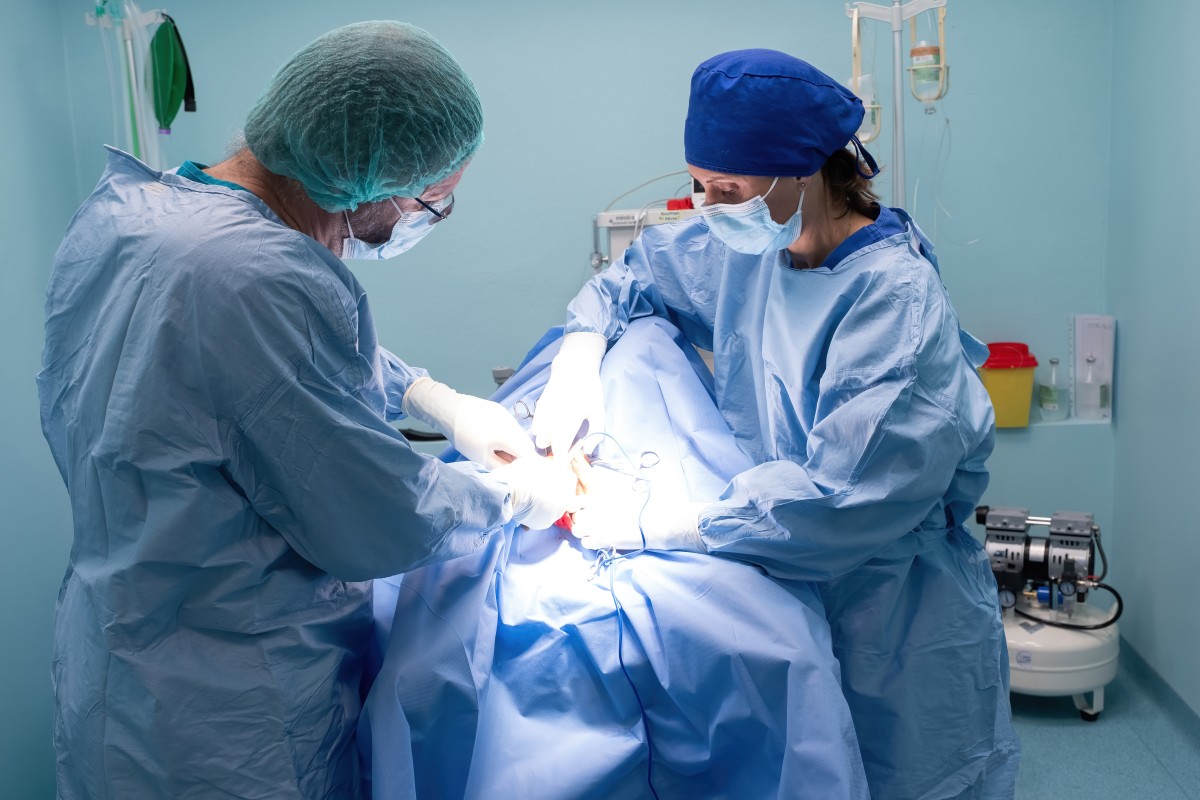
A cesarean section allows for the surgical extraction of the puppies. This may be necessary when there are problems with the birth (emergency cesarean section) or in cases where natural birth is not recommended due to particular conditions affecting the mother or puppies (breeds predisposed to difficult births, maternal pathologies, disproportion between the size of the mother and the fetuses, etc.). In such cases, a planned cesarean section is performed.
In the period following heat, pyometra may occur, which is the accumulation of pus in the uterus. It is a serious condition that puts the life of the dog or cat at risk. Traditionally, the only solution for this condition was sterilization. In recent years, safe protocols have been developed that allow the condition to be treated without sterilization. These are particularly suitable for breeding animals or elderly animals at high risk from anesthesia. These protocols can also be used in cases of unwanted pregnancy (when pregnancy is not recommended due to the age or condition of the female) up to approximately 35 days after mating. They allow the pregnancy to be terminated safely and without affecting the animal's future reproductive capacity.
Fertility problems can manifest themselves in female dogs and cats as difficulty in becoming pregnant and a low number of puppies conceived or carried to term. In these cases, it is necessary to subject the female to a thorough specialist examination in order to identify the probable factors responsible for the problem. This examination consists of a specialist clinical examination, laboratory tests (blood tests, urine tests, and hormone assays), and in some cases other specific tests (ultrasound, endoscopy, genetic counseling).
Surgery on the female reproductive system is performed when medical treatments fail to resolve conditions affecting this system. Among the most frequently performed surgeries are the correction of vaginal malformations and the removal of vaginal, uterine, ovarian, and breast neoplasms. In addition to these, classic sterilization procedures are performed with removal of the ovaries alone (oophorectomy) or the uterus and ovaries (oophorectomy), as well as planned or emergency cesarean sections, as mentioned above.
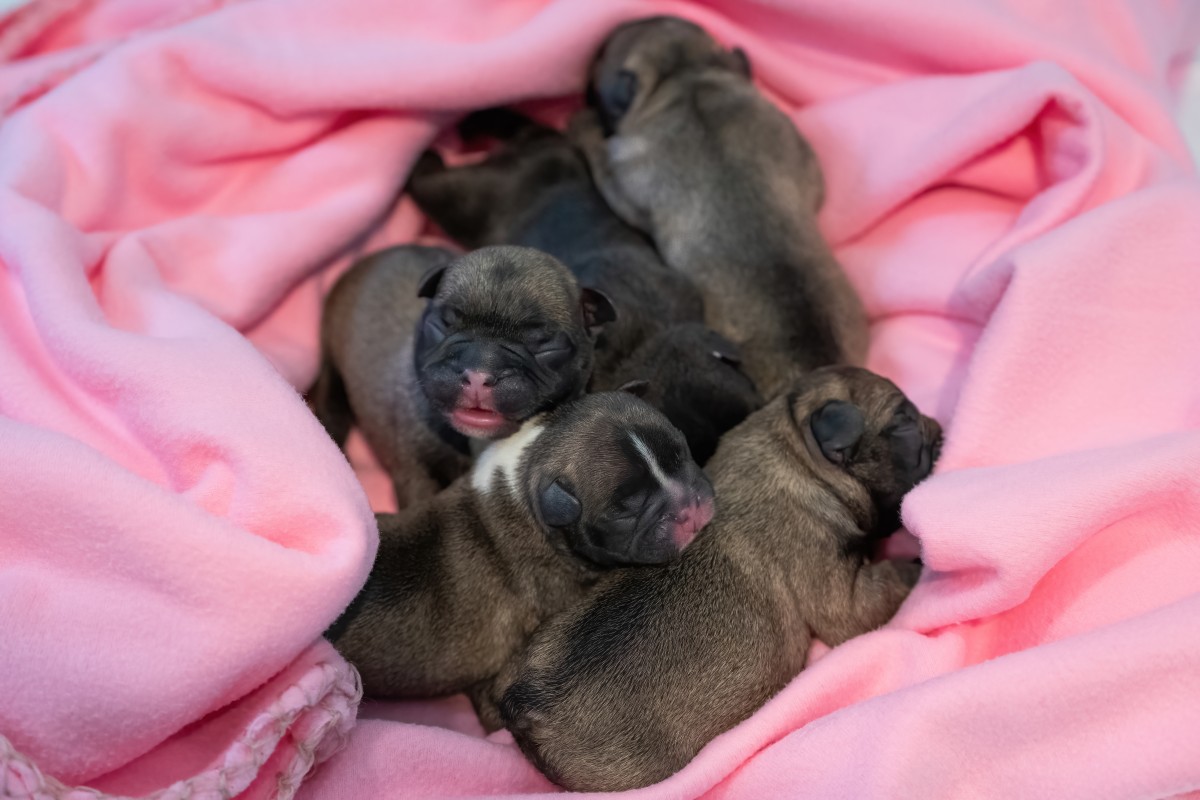
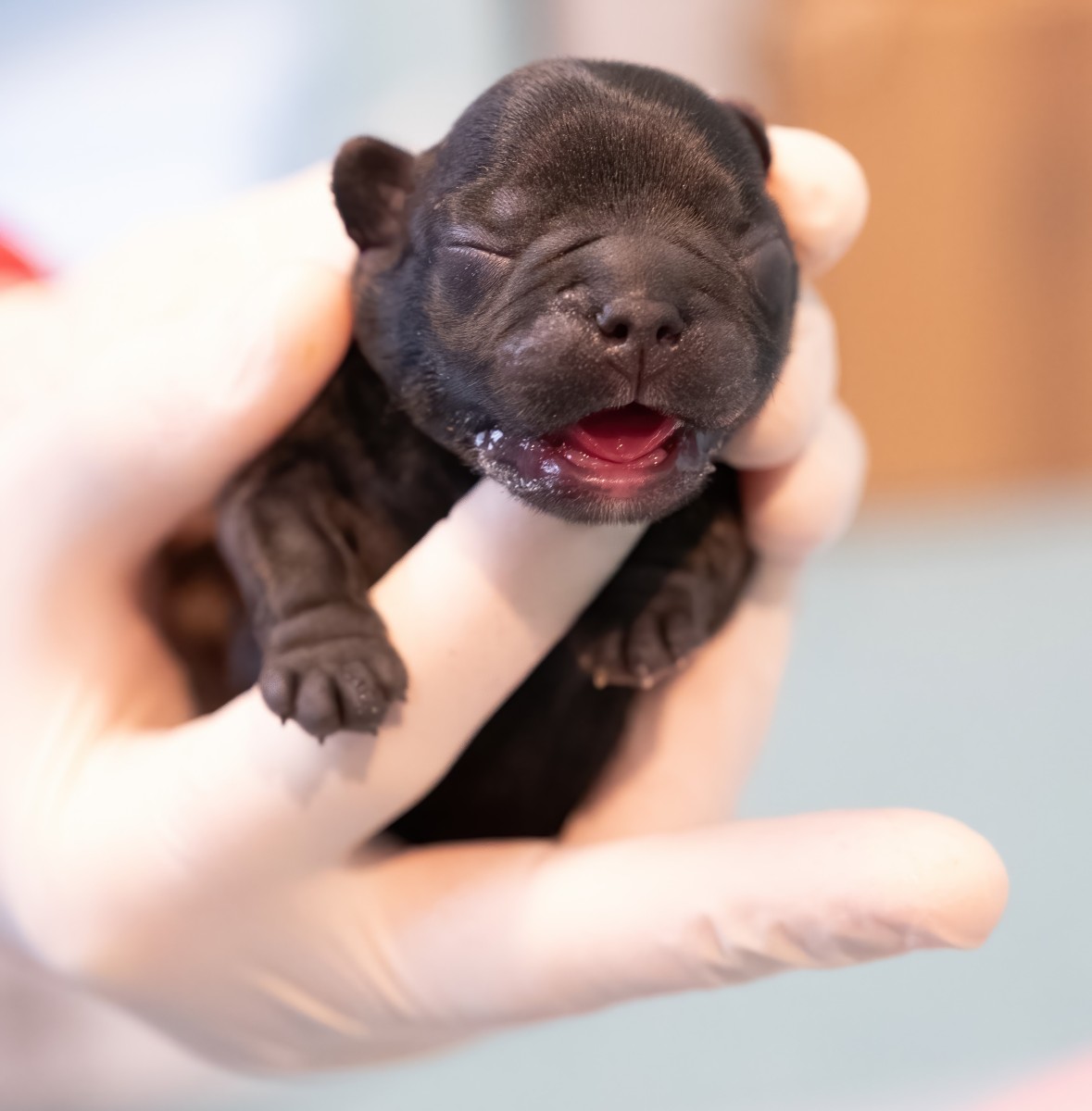
During clinical examination, newborns display characteristics that are in some respects extremely different from those of adults, so the correct interpretation of these differences is of fundamental importance for a correct diagnosis. In addition to clinical examination, in some cases it is necessary to perform laboratory tests (blood and urine tests) and other ancillary tests (ultrasound, X-ray, etc.) in order to reach a diagnosis.
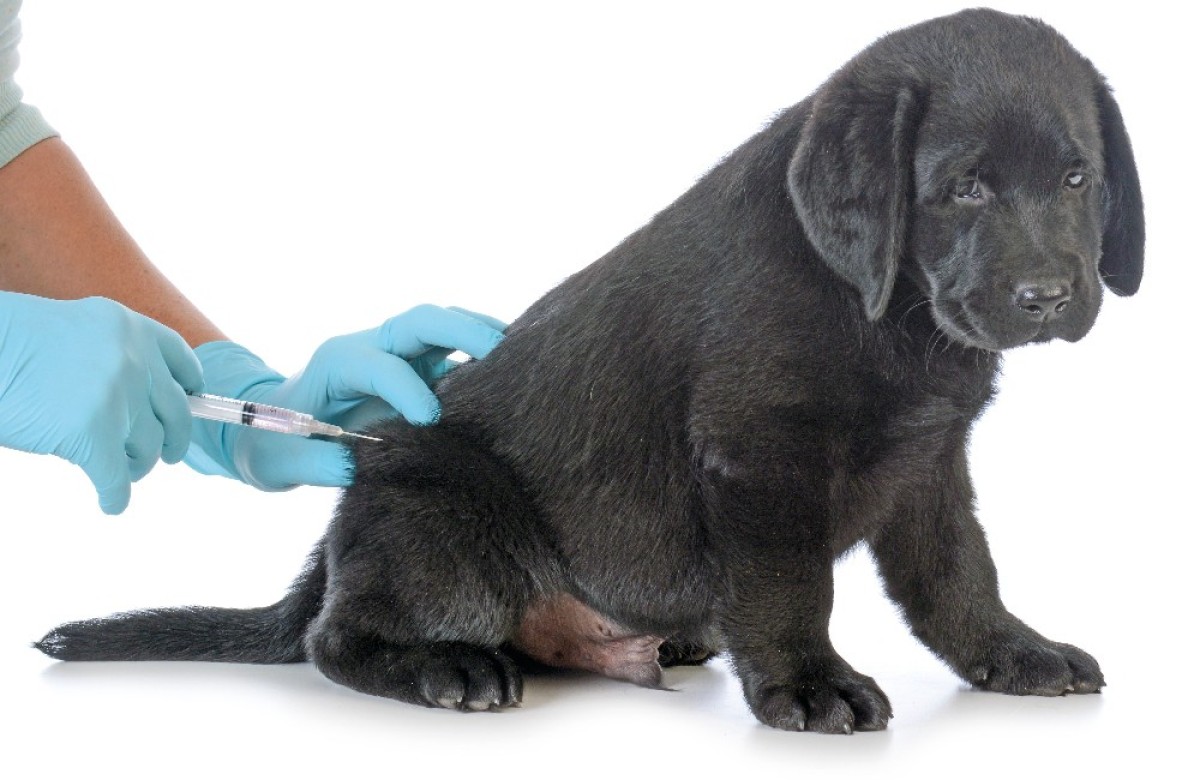
Very often, puppies are subjected to inadequate vaccination and parasite control plans, carried out at the wrong time or incompletely. New guidelines for the vaccination and parasite prevention of pets have recently been published, providing recommendations on the most appropriate protocols. Therefore, based on the actual risks to which puppies are exposed, a vaccination and parasite prevention plan should be chosen that is specific to the environment in which the puppies live.
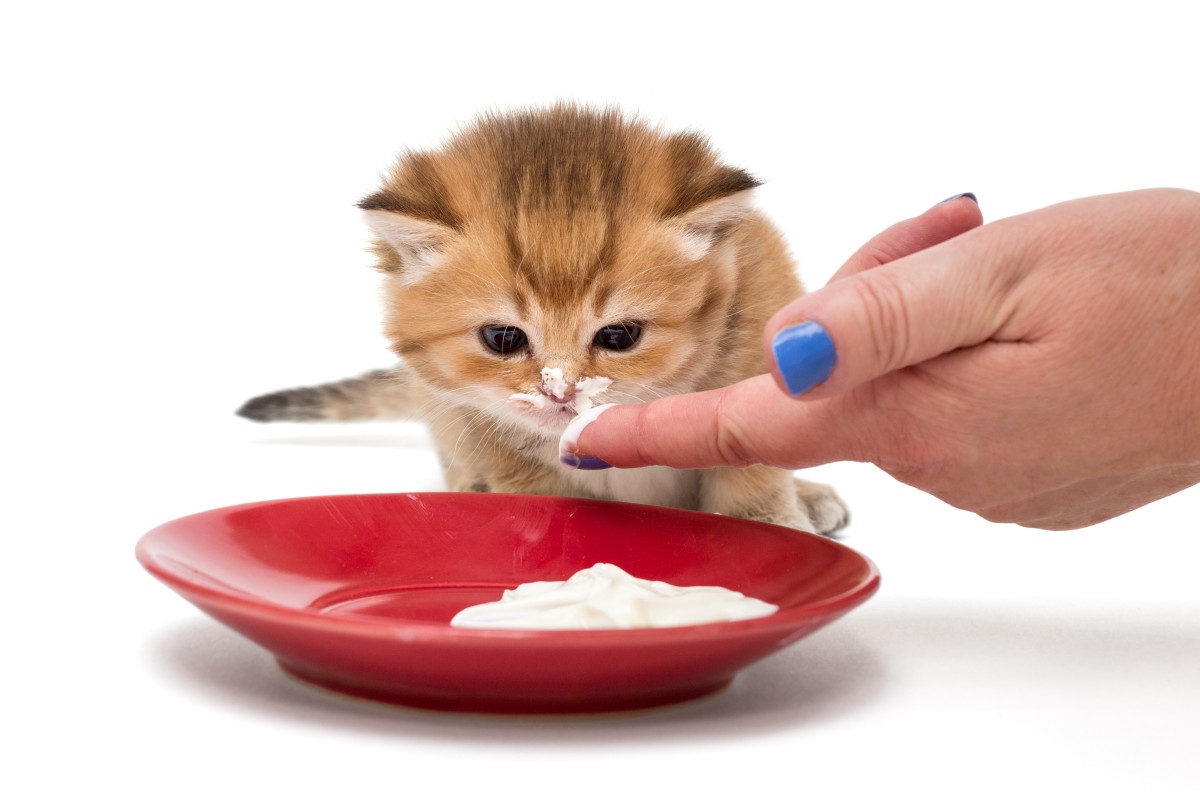
Proper nutrition is essential for the harmonious physical development of puppies, especially large and giant breeds. Nutritional errors can lead to alterations in the normal growth of puppies, which can have serious repercussions on the health of adult dogs.
Puppies may present with abnormalities at birth that are related to congenital or hereditary diseases. It is essential to diagnose these diseases early in order to establish a treatment plan as soon as possible, where feasible, to limit any impact on normal development and ensure a good quality of life for the puppy.
Puppies may have conditions that require surgical correction at different times in order to ensure a good quality of life and prevent the risk of future conditions. In some cases, the puppy is kept under observation for a period of time so that it can undergo surgery at a later age (reducible umbilical or inguinal hernias, cryptorchidism); in other cases, however, the approach must be timely in order to increase the newborn's chances of survival (anal atresia, complicated rectal prolapse, etc.).